Thermal Vision vs Night Vision — What's the Difference?
Both look high-tech on camera but work in completely different ways. Here's how real thermal imaging and night vision compare — and how AI replicates both.
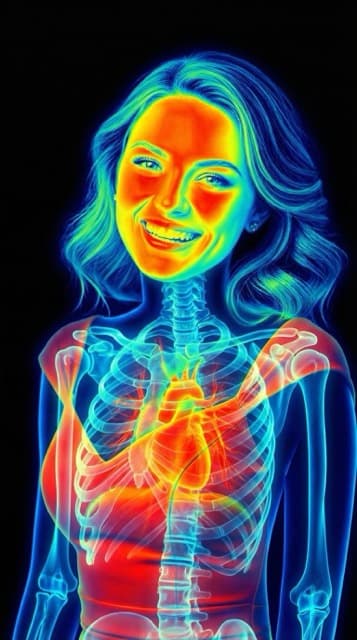
Both make a great establishing shot in a movie. Both look high-tech. Both show up in X-Ray Camera. But thermal imaging and night vision are fundamentally different technologies — and knowing the difference will make your AI-generated renders way more convincing.
Thermal imaging — mapping temperature
A real thermal camera doesn't see light at all. It detects infrared radiation — heat emitted by everything warmer than absolute zero. A specialized sensor (called a microbolometer) converts that heat into a digital image where brightness maps to temperature.
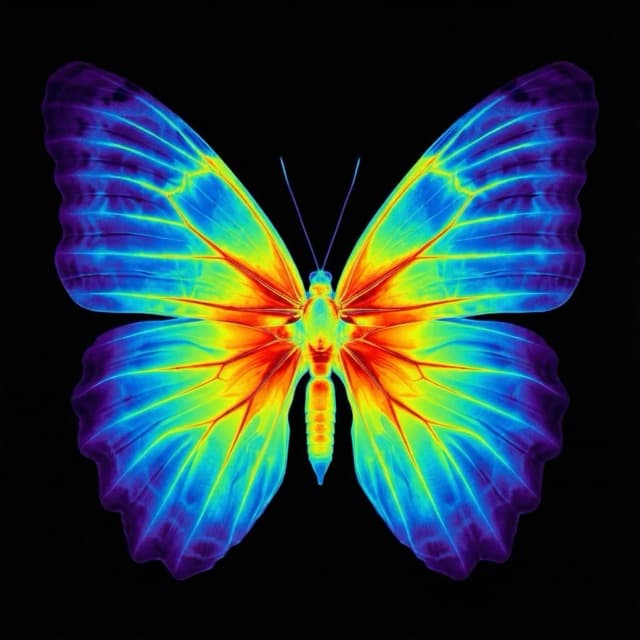
Apply a false-color palette on top — deep blues for cold, yellows for warm, bright reds and whites for hot — and you get the classic thermal camera look. Warmer parts of a person's body (face, hands) glow; cooler parts (hair, clothing) fade.
Real thermal cameras work in total darkness, through smoke, and can spot a body through a wall or foliage. They don't care about visible light at all.
Night vision — amplifying tiny amounts of light
Night vision takes the opposite approach: it needs some light to work. Classic night vision tubes contain an image intensifier — a device that takes any stray photons (starlight, moonlight, ambient glow) and multiplies them thousands of times.
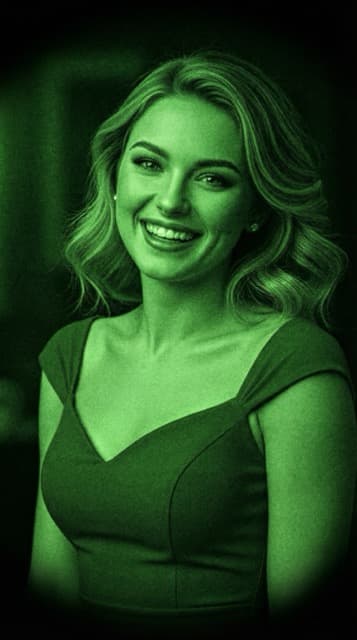
The output is projected onto a phosphor-coated screen. That screen is green because the human eye is most sensitive to green wavelengths — you can resolve more detail in green than in any other color. So the iconic green tint isn't a stylistic choice, it's biology.
Night vision fails in total darkness. Zero photons in, zero photons out. Modern devices solve this by pairing an intensifier with an infrared illuminator — a non-visible “flashlight” that lights up the scene invisibly.
Why they look different
Side by side, the two modes are easy to tell apart:
- Thermal is multicolored — blues, yellows, reds — and highlights what's warm regardless of whether it's lit
- Night vision is monochromatic green and highlights what's reflecting light, like a regular camera, only amplified
A person standing in the dark looks wildly different in each: thermal makes their face glow like a lightbulb; night vision shows them as a grainy green silhouette.
How AI replicates both
X-Ray Camera's thermal filter and night vision filter use the same generative AI pipeline but with very different prompts. The thermal prompt asks for a vibrant false-color heatmap. The night vision prompt asks for monochromatic green phosphor with grain and bloom on bright areas.
Because both are generated from your regular daylight photo, the AI has to “imagine” what the thermal or night-vision version would look like. The results won't be physically accurate — no real temperatures or photon amplification happening — but they nail the aesthetic.
Which should you use?
For portraits where you want to emphasize warmth and life, thermal is more dramatic. For moody, cinematic, “tactical” shots, night vision is the vibe. Or try both on the same photo and see which you prefer — you can learn more about how both work in our post on how AI X-ray filters work.
Keep reading
Try X-Ray Camera Free
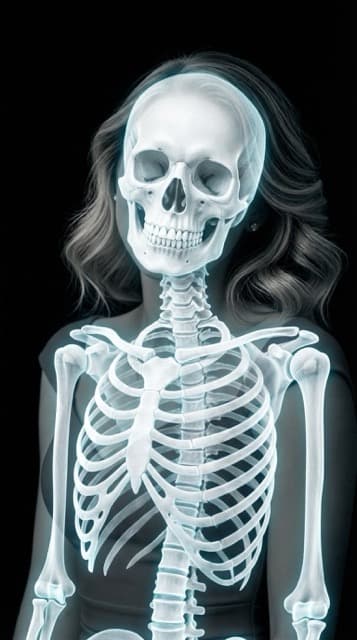
Transform any photo with AI — thermal, night vision, or skeleton styles.